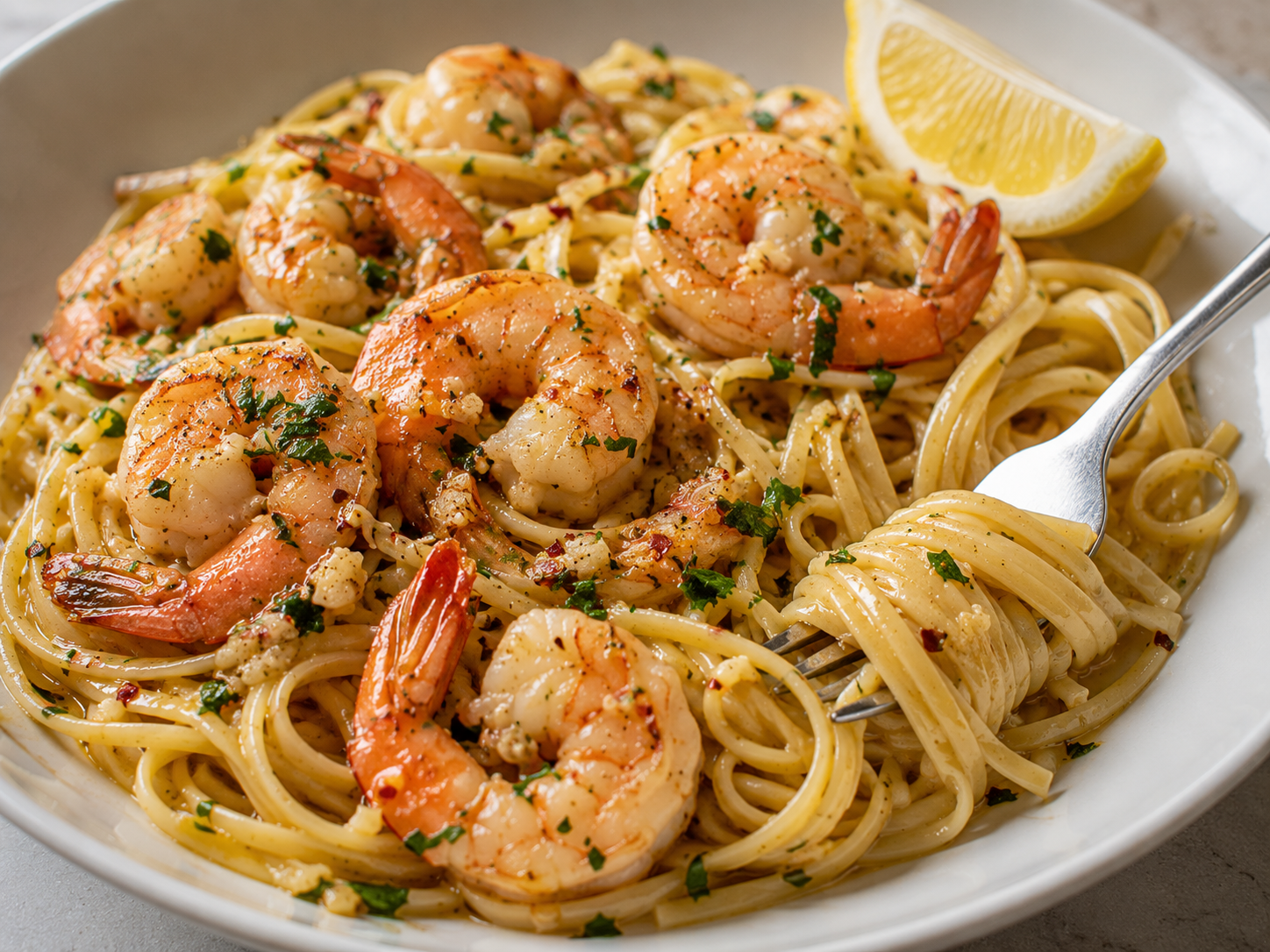
Easy Shrimp Scampi (15-Minute Garlic Butter)
Friends, this shrimp scampi is about to become your go-to answer whenever someone asks “what’s for dinner?” Garlicky, buttery, glossy, and ready in 15 minutes flat.
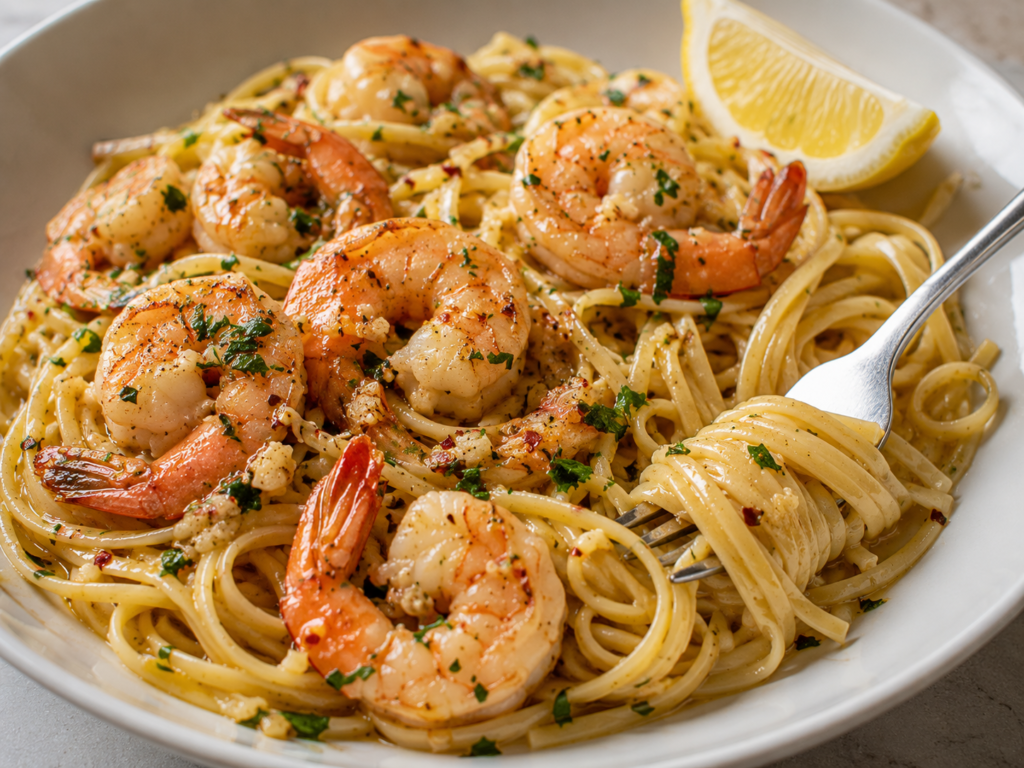
Easy Shrimp Scampi
I used to think shrimp scampi was strictly a special-occasion, restaurant-only dish. Turns out it’s genuinely one of the fastest, easiest things you can make at home, and it tastes even better than the version at your favorite Italian spot.
The secret to truly great shrimp scampi isn’t some complicated technique; it’s understanding two things most home versions get wrong: cooking the shrimp for mere minutes so they stay tender, and mounting the sauce with cold butter at the very end for that glossy, restaurant-quality finish. Get those two details right, and you’ve got yourself a genuinely impressive best shrimp scampi recipe in your back pocket forever.
This easy shrimp scampi comes together with pantry staples you probably already have — garlic, butter, a splash of wine or broth, and a squeeze of lemon. Toss it with pasta for a proper shrimp scampi pasta dinner, or skip the noodles entirely for something lighter.
Grab a skillet, because this garlic butter shrimp scampi is about to become a weeknight regular.
Why You’ll Love This Shrimp Scampi & The Cold Butter Emulsion Trick
Here’s what separates truly great shrimp scampi from the rubbery, overcooked kind: understanding exactly how fast shrimp actually cooks. Shrimp needs just 2-3 minutes total in a hot pan, and pushing past that window turns tender, juicy shrimp into tight, chewy little erasers almost instantly.
Because shrimp scampi cooks so quickly, the real flavor-building happens after the shrimp comes out of the pan, not during. Deglazing with dry white wine or chicken broth lifts all those flavorful browned bits stuck to the bottom of the pan, dissolving them directly into your sauce base.
This is where the science of proper shrimp scampi really shines: cold butter, whisked in off the heat or over very low heat, creates a genuine emulsion rather than just melting into a greasy puddle. Cold butter’s solid fat structure breaks down gradually as you whisk, trapping tiny droplets of liquid throughout and creating that glossy, cohesive sauce that clings to both shrimp and pasta.
Add warm, already-melted butter instead, and you lose that emulsifying structure entirely, ending up with a thin, separated, oily sauce instead of the silky one you’re after. This cold butter mounting technique, called “monter au beurre” in classical French technique, is exactly what gives good garlic butter sauce its signature glossy finish.
Timing everything so the shrimp goes back into the pan only briefly, just to reheat alongside the finished sauce, is the final key to nailing this dish at home. Rush this step or reverse the order, and you risk overcooking the most delicate part of the entire dish.
Easy Shrimp Scampi (15-Minute Garlic Butter)
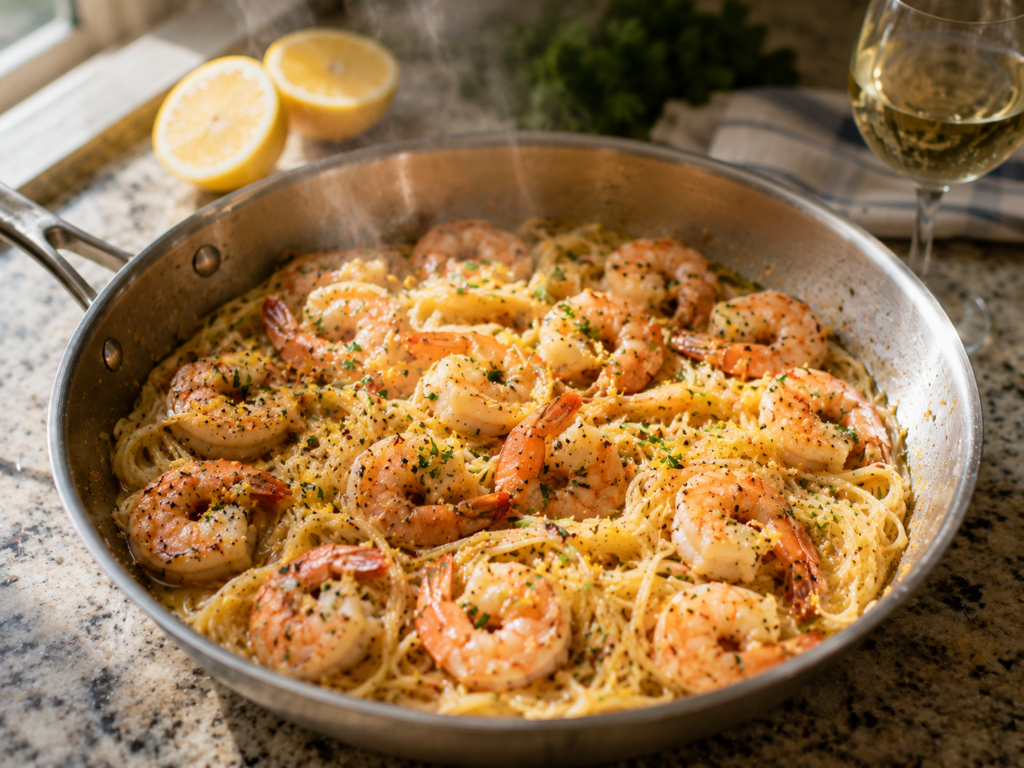
Shrimp Buying Guide: Fresh vs. Frozen, Shell-On vs. Peeled
Shrimp are sized by count per pound, and for this recipe, 21/25 count, meaning 21 to 25 shrimp per pound, is the ideal middle ground — large enough to feel substantial, small enough to cook through quickly and evenly. Colossal shrimp, often labeled U-15 or similar, are dramatically larger and need slightly more time in the pan, while smaller shrimp cook almost instantly and can overcook in the blink of an eye.
Frozen shrimp is genuinely a great choice here, since most “fresh” shrimp at the counter has actually been previously frozen and thawed anyway. Buying it still frozen and thawing it yourself just before cooking often gives you more control over texture and freshness.
To thaw quickly without losing texture, place frozen shrimp in a colander under cold running water for about 10-15 minutes, never using hot water or leaving it out at room temperature. Hot water begins to cook the exterior of the shrimp prematurely, which throws off your timing once it hits the actual pan.
Shell-on shrimp offers more flavor if you’re willing to peel it yourself, since the shells add depth if simmered briefly beforehand, though peeled and deveined shrimp is the faster, more convenient choice for a genuinely quick weeknight dinner. Wild-caught shrimp tends to have a slightly firmer texture and more pronounced sweetness compared to farmed shrimp, though both work perfectly well here.
For more detailed guidance on selecting and safely handling seafood at home, the FDA Fresh and Frozen Seafood Selecting and Serving Guide is a genuinely useful resource to bookmark.
Ingredients You’ll Need for Shrimp Scampi (Smart Substitutions)
Here’s what you need to make Shrimp Scampi.
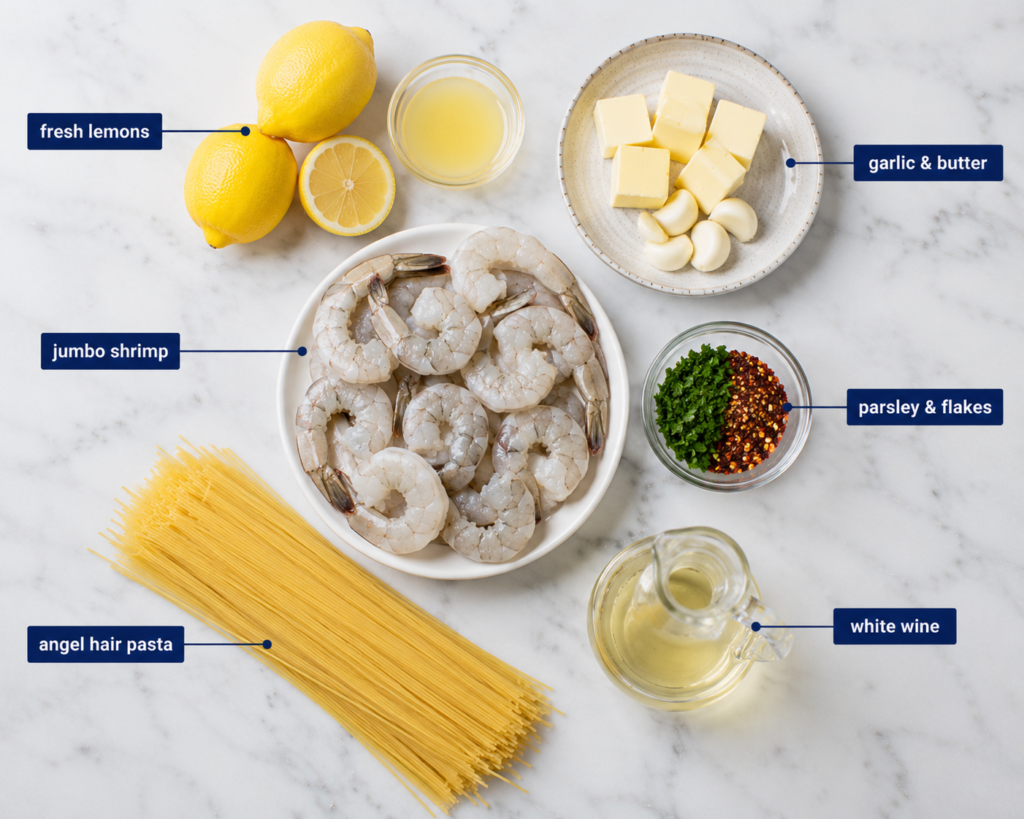
- Raw shrimp: 21/25 count, peeled and deveined, tails on or off depending on preference; always raw, never pre-cooked, since pre-cooked shrimp turns rubbery almost instantly in a hot pan.
- Extra virgin olive oil: Used for the initial sear alongside a touch of butter, since its flavor and moderate smoke point suit shrimp scampi beautifully.
- Unsalted butter: Used both early in the sauce and, critically, cold at the very end for that glossy mounted finish.
- Fresh garlic: The backbone of any good shrimp scampi; use plenty, minced fine, since garlic is genuinely the star of the show here.
- Dry white wine: Pinot Grigio or Sauvignon Blanc both work beautifully, adding acidity and depth without excessive sweetness.
- Low-sodium chicken broth: The non-alcoholic substitute for wine, delivering savory depth without the acidity, so add a touch more lemon to compensate.
- Fresh lemon juice and zest: Essential for brightness; zest specifically adds a fragrant, concentrated citrus note that juice alone can’t replicate.
- Red pepper flakes: A classic, gentle heat that plays beautifully against the rich, buttery sauce.
- Fresh parsley: Stirred in at the end for color and a fresh, herbaceous lift.
- Pasta: Angel hair or linguine are traditional choices, cooked just shy of al dente since it finishes cooking briefly in the sauce.
How to Make Shrimp Scampi Step-by-Step
Stage 1: Quick Shrimp Searing. Pat your shrimp completely dry, then season lightly with salt and pepper. Sear in a hot pan with olive oil for just 1-1.5 minutes per side, until barely pink and opaque, then immediately remove to a plate — they’ll finish cooking later in the sauce.
Stage 2: Garlic & Wine Deglazing. In the same pan, add a touch more butter and your minced garlic along with red pepper flakes, cooking just 30 seconds until fragrant. Pour in your dry white wine or chicken broth, scraping up any browned bits, and let it simmer for 2-3 minutes to reduce slightly and concentrate in flavor.
Stage 3: Whisking Cold Butter & Tossing Pasta. Reduce the heat to low, then add cold, cubed butter a piece or two at a time, whisking continuously until each addition melts into a glossy emulsion before adding more. Stir in lemon juice and zest, then return the shrimp to the pan along with your cooked pasta, tossing everything together gently until warmed through and coated in that silky sauce.
Finish with fresh parsley and an extra crack of black pepper, then serve immediately while the shrimp scampi is still glossy and hot.
Easy Shrimp Scampi
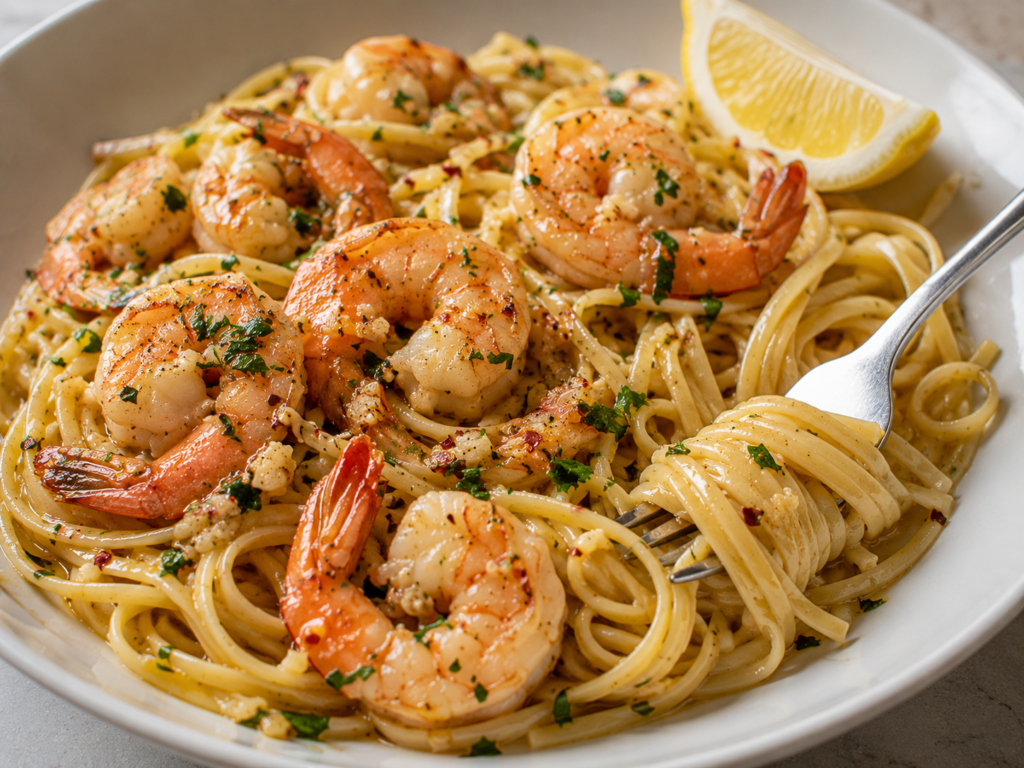
Pro Chef Tips & Troubleshooting
| Problem/Mistake | Why It Happens | How to Fix It |
|---|---|---|
| Rubbery, tough shrimp | Shrimp cooked too long, either during searing or when returned to the sauce | Sear just 1-1.5 minutes per side and only briefly reheat in the finished sauce |
| Sauce separates or turns greasy | Butter added warm or melted instead of cold | Always whisk in cold, cubed butter gradually off high heat to create a proper emulsion |
| Bitter garlic flavor | Garlic cooked too long or at too high heat | Cook garlic just 30 seconds until fragrant before adding liquid |
| Bland sauce despite the ingredients | Under-seasoning, or skipping the pan deglazing step | Always scrape up browned bits when deglazing, and taste before serving to adjust salt and lemon |
| Sauce too thin, doesn’t cling to pasta | Not enough butter emulsified in, or pasta water not used | Add a splash of reserved starchy pasta water while tossing to help the sauce cling properly |
| Overcooked, dry pasta | Pasta cooked fully before being added to the sauce | Cook pasta just shy of al dente, since it finishes cooking briefly in the sauce |
Best Wine for Shrimp Scampi (and Non-Alcoholic Alternatives)
Dry white wines like Pinot Grigio and Sauvignon Blanc are the classic choice for shrimp scampi, bringing bright acidity that balances the richness of all that butter. Avoid sweeter wines like Riesling, since the added sugar throws off the savory balance of the dish.
If you’re skipping alcohol entirely, low-sodium chicken broth makes an excellent substitute, though you’ll want to add a touch more fresh lemon juice to replicate the acidity wine naturally provides. A small splash of white wine vinegar stirred into the broth can also help mimic that same bright, cutting quality in the sauce.
Serving Suggestions & Pasta Pairings
Angel hair pasta is a classic pairing for shrimp scampi pasta, since its thin strands soak up the glossy sauce beautifully without overwhelming the delicate shrimp. Linguine offers a slightly heartier bite while still working well with the light, buttery sauce.
Fettuccine Alfredo is a good choice if you prefer a wider noodle with more surface area for sauce. For a low-carb option, zucchini noodles pair beautifully too, though they release extra moisture, so pat them dry before tossing with the sauce.
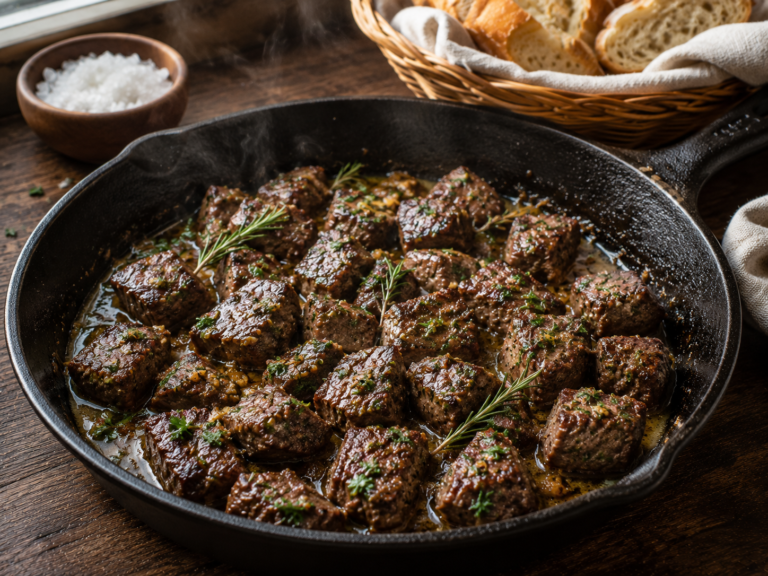
Craving juicy beef cubes instead tonight? Try our 15-minute Garlic Butter Steak Bites! Looking for another crowd-pleasing quick dinner? Check out our viral Creamy Marry Me Chicken.
Storage, Reheating & Food Safety
- Fridge: Store leftover shrimp scampi in an airtight container for up to 2 days, since shrimp is best enjoyed fresh.
- Reheating: Warm gently in a skillet over low heat, stirring frequently, to avoid pushing the shrimp past their ideal tenderness.
- Avoid the microwave: High, uneven heat tends to turn already-cooked shrimp tough and rubbery almost instantly.
- Freezing: Not recommended for the finished dish, since both the sauce and the shrimp texture suffer noticeably after thawing.
- Food safety note: Always ensure shrimp reaches a safe internal temperature during initial cooking, and never let cooked shrimp sit at room temperature for more than two hours.
Frequently Asked Questions (FAQ)
How long should shrimp cook for shrimp scampi?
Just 1-1.5 minutes per side during the initial sear, then a brief reheat once it’s tossed back into the finished sauce.
Can I use frozen shrimp for this easy shrimp scampi recipe?
Absolutely — just thaw under cold running water for 10-15 minutes rather than using hot water, which can begin cooking the shrimp prematurely.
What’s the best non-alcoholic substitute for wine in shrimp scampi?
Low-sodium chicken broth with a little extra lemon juice replicates the depth and acidity that wine normally provides.
Why did my garlic butter shrimp scampi sauce turn out greasy instead of glossy?
The butter was likely added warm or melted rather than cold; always whisk in cold, cubed butter gradually to create a proper emulsion.
What’s the best pasta for shrimp scampi pasta?
Angel hair or linguine are the classic choices, since their thinner shape lets the glossy sauce coat every strand without overwhelming the delicate shrimp.
you can check more recipes from here
Easy Shrimp Scampi (15-Minute Garlic Butter Magic!)
Ingredients
- 1.5 lbs raw shrimp 21/25 count, peeled and deveined
- 2 tbsp extra virgin olive oil
- 6 tbsp unsalted butter divided and cold
- 5 cloves garlic minced
- 1/2 cup dry white wine or low-sodium chicken broth
- 2 tbsp fresh lemon juice
- 1 tsp lemon zest
- 1/2 tsp red pepper flakes
- 1/4 cup fresh parsley chopped
- 12 oz angel hair or linguine pasta
- Salt and black pepper to taste
Instructions
- Sear shrimp in olive oil for 1-1.5 minutes per side, then remove to a plate.
- Add a touch of butter and garlic with red pepper flakes to the pan, cooking 30 seconds until fragrant.
- Pour in wine or broth, scraping up browned bits, and simmer 2-3 minutes to reduce.
- Reduce heat to low and whisk in cold, cubed butter gradually until glossy and emulsified.
- Stir in lemon juice and zest, then return shrimp and cooked pasta to the pan.
- Toss everything together gently until warmed through and coated in sauce.
- Garnish with fresh parsley and serve immediately.
Notes
- Never overcook the shrimp; 1-1.5 minutes per side during searing is plenty, since it finishes cooking briefly in the sauce.
- Always mount the sauce with cold, cubed butter rather than melted butter to create a proper glossy emulsion.
- Reserve a splash of starchy pasta water to help the sauce cling to the noodles if it seems too thin.