
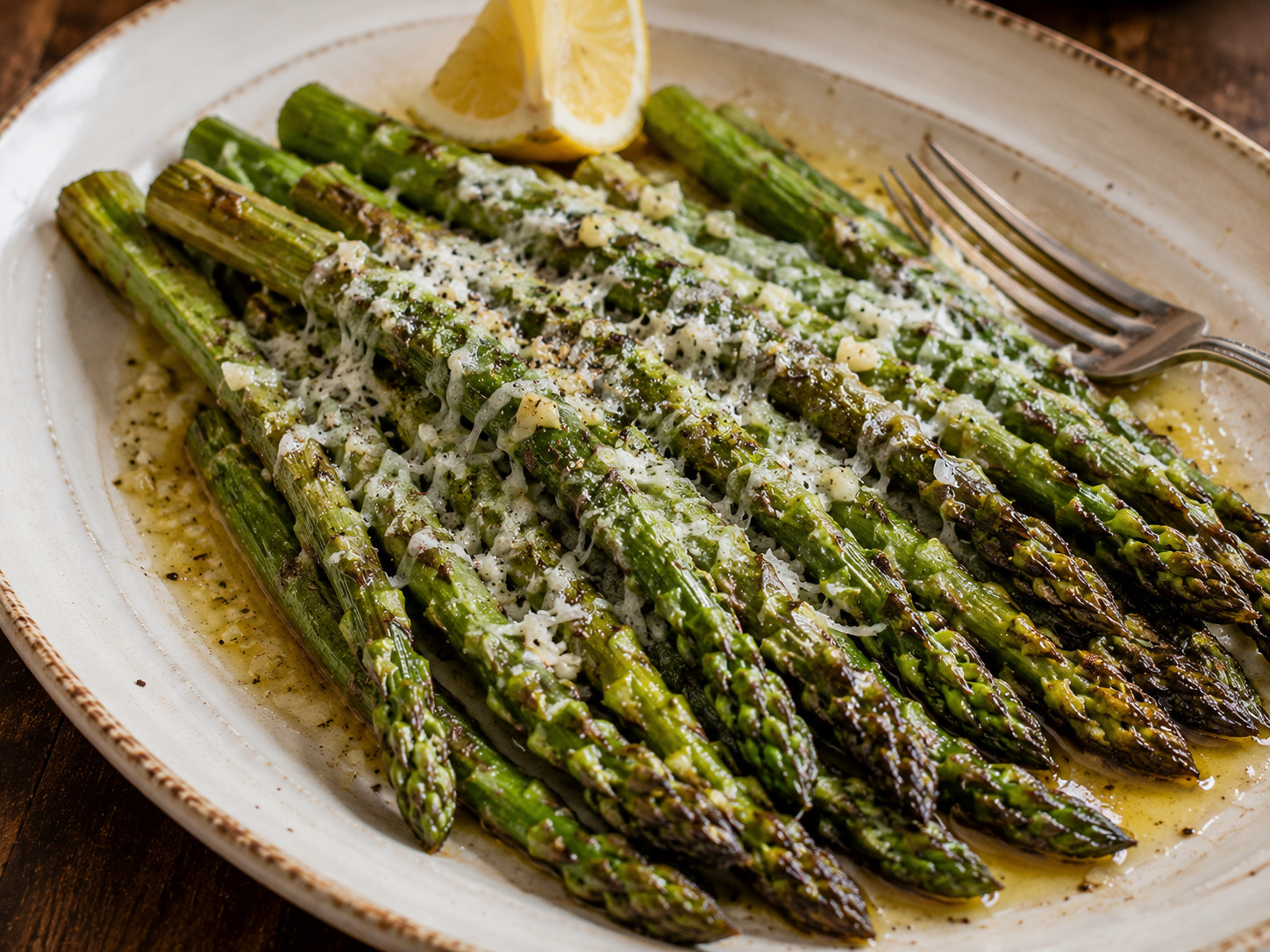
Easy Garlic Butter Roasted Asparagus (15-Min Side!)
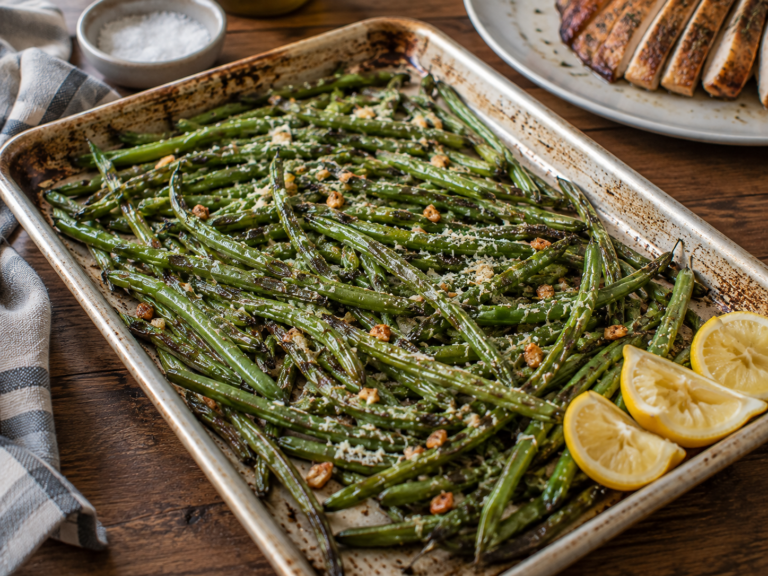
Friends, this roasted asparagus is about to end mushy, overcooked, sad green vegetables forever. Tender-crisp stalks, blistered tips, garlicky butter in every single bite, ready in barely 15 minutes.
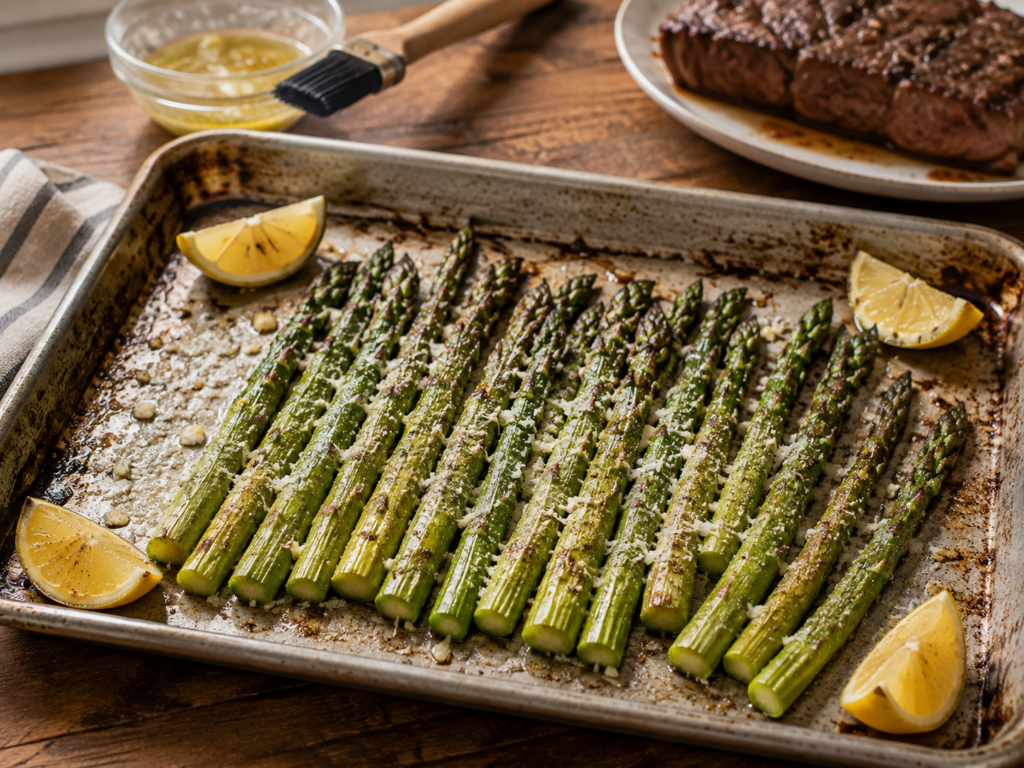
Garlic Butter Roasted Asparagus
I’ve eaten plenty of gray, waterlogged asparagus over the years, the kind that’s been boiled or steamed into something limp and flavorless. That’s genuinely never happening again with this method.
This easy roasted asparagus recipe uses high heat to blister and caramelize the tips while keeping the stalks vibrant green and satisfyingly crisp. Toss it all in garlic butter asparagus glory right at the end, and you’ve got yourself the best healthy side dish in your entire rotation.
Grab a sheet pan, because this oven baked asparagus is about to become your go-to green vegetable for absolutely everything, from a Tuesday dinner to your next holiday spread. No boiling, no steaming, no soggy results ever again.
I’ve made countless batches of this over the years, and the technique genuinely never fails once you understand exactly why high heat matters so much here. What follows is the full science behind every step, plus every trick for consistently perfect results.
Garlic Butter Roasted Asparagus
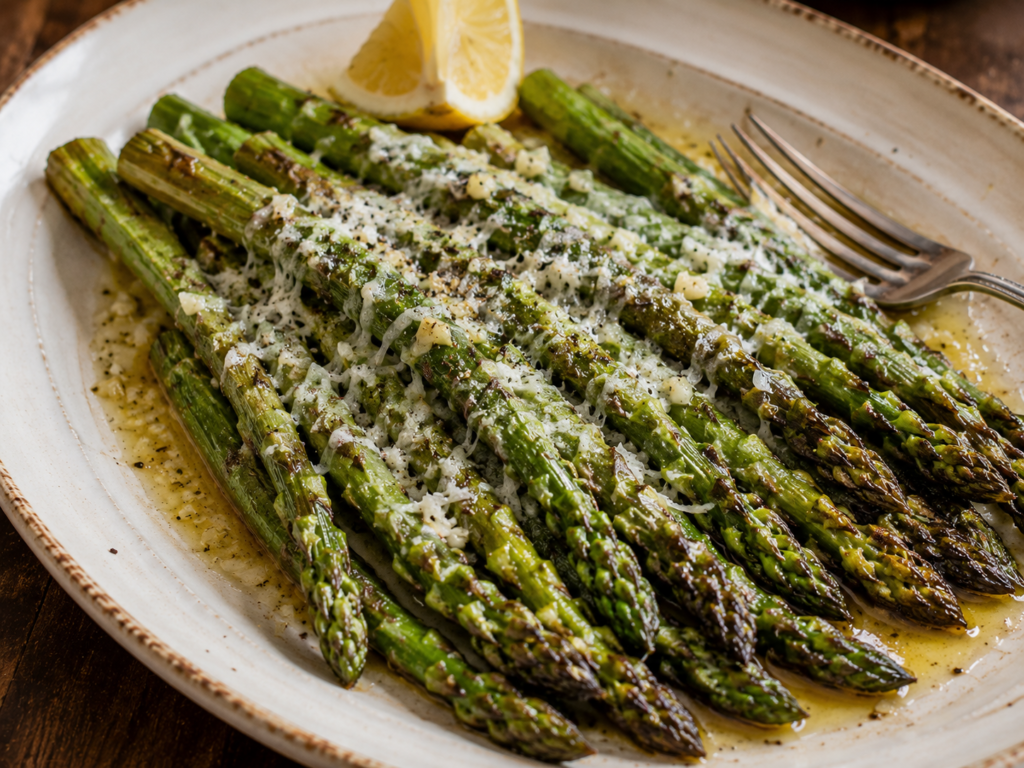
Why You’ll Love This Recipe & The High-Heat Secret
Here’s the culinary science behind genuinely great roasted asparagus: cooking at 400°F triggers rapid moisture evaporation on the surface of each spear, allowing browning reactions to happen quickly rather than letting the vegetable slowly steam in its own released liquid. This is the exact opposite of what happens with boiling or steaming, where asparagus sits fully submerged or surrounded by moisture the entire time.
Lower, gentler cooking methods keep asparagus wet throughout the process, which softens the cell walls uniformly and turns the texture mushy and limp rather than tender-crisp. High, dry oven heat instead concentrates on the surface first, creating a textural contrast between a lightly caramelized exterior and a stalk that stays crunchy and vibrant on the inside.
The delicate tips deserve special attention here too, since they’re the most fragile part of the spear. As roasted asparagus hits high heat, the Maillard reaction kicks in on those feathery tips almost immediately, browning their sugars and proteins into deeply savory, slightly nutty flavor compounds well before the thicker stalk portion has fully cooked through.
This is exactly why roasting produces such a dramatic flavor upgrade compared to boiling or steaming. You’re not just cooking the vegetable, you’re actively building new flavor on its surface through genuine chemical transformation, all while preserving that satisfying crunch throughout the thicker parts of each stalk.
Color matters here too, and it’s not purely aesthetic. That vibrant green comes from chlorophyll, which degrades and turns a dull olive color with prolonged heat exposure, particularly in the presence of excess moisture or acidity. Quick, high-heat roasting minimizes that exposure time, which is precisely why properly roasted asparagus stays such a bright, appetizing green instead of fading into a muddy gray-green.
There’s a helpful way to think about the difference between roasting and other cooking methods here: roasting concentrates heat energy directly onto the surface of the vegetable through dry, radiant heat, while boiling or steaming surrounds the vegetable in moisture that conducts heat more slowly and evenly throughout, softening everything at roughly the same rate. That distinction is exactly why roasted asparagus develops such a dramatic contrast between crisp-tender stalks and caramelized, flavorful tips, a contrast that simply isn’t possible with wetter cooking methods.
Ingredients You’ll Need (Smart Substitutions)
Here’s everything that goes into building genuinely great roasted asparagus, and why each ingredient earns its place.
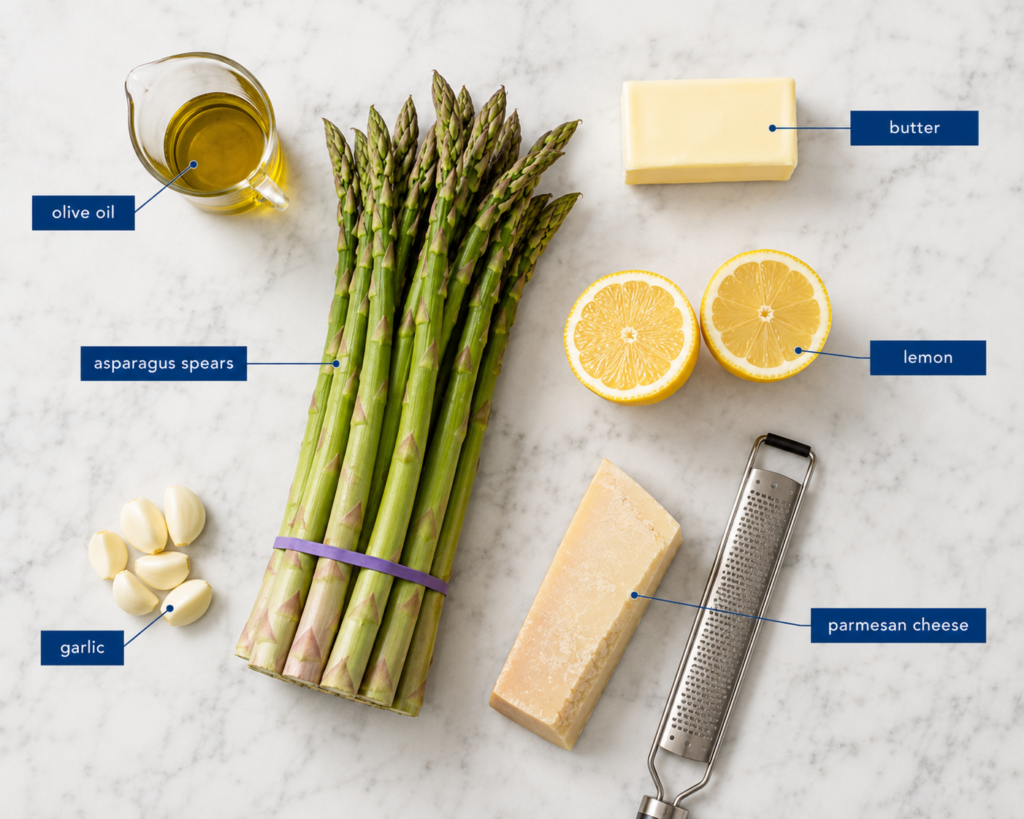
- Fresh asparagus spears: Look for firm, brightly colored stalks with tightly closed tips; thicker spears hold up better to roasting without overcooking as quickly as thin ones.
- Olive oil: Coats the spears evenly, helping them roast rather than steam, and encourages that essential surface browning.
- Unsalted butter: Melted with garlic at the end for rich, glossy flavor that clings to every spear.
- Minced fresh garlic: Added to the butter after roasting, never before, to avoid burning under the oven’s intense heat.
- Freshly grated parmesan cheese: Melts slightly into the warm, buttery asparagus, adding sharp, salty depth.
- Fresh lemon (plus coarse salt and black pepper): A squeeze of lemon juice at the end brightens the richness of the butter and parmesan, while coarse salt and pepper season generously throughout.
How to Prep and Snap the Woody Ends
Here’s a detail that trips up a lot of home cooks: asparagus stalks have a naturally tough, woody base that needs to be removed before cooking, and the good news is you never need a knife for this. Simply hold each spear near the bottom and gently bend it until it snaps naturally.
Asparagus has a built-in, genuinely foolproof breaking point exactly where the tender, edible portion meets the tough, fibrous base. Bending rather than cutting means the spear breaks precisely at that transition point every single time, since the fibrous section resists bending while the tender section flexes and gives way first.
This snap method completely eliminates the guesswork of trying to judge with a knife how much to trim. Cut too little, and you’re left chewing through stringy, woody bits; cut too much, and you’re wasting perfectly good, tender asparagus that could have been roasted and eaten, which genuinely adds up if you’re prepping multiple bunches for a larger gathering.
Once you’ve snapped the first spear, you can actually use it as a rough guide for trimming the rest of the bunch with a knife, since asparagus stalks are usually harvested to a fairly consistent length. This saves you from individually snapping every single spear while still ensuring the whole batch is properly trimmed before it goes anywhere near your roasted asparagus sheet pan.
It’s worth noting that thickness genuinely varies bunch to bunch, and even within a single bunch, so don’t be surprised if your snap point shifts slightly from one spear to the next. Trust the snap itself over any assumption about exactly where the woody portion should end; the stalk genuinely knows better than a ruler or a guess ever could.
How to Make the Best Roasted Asparagus Step-by-Step
Here’s exactly how this roasted asparagus comes together, from raw trimmed spears to a glossy, garlicky finish.
Stage 1: Prepping & Tossing in Olive Oil. After snapping off the woody ends, arrange your asparagus spears in a single layer on a rimmed baking sheet. Drizzle generously with olive oil, then season with coarse salt and black pepper, tossing gently to coat every spear evenly.
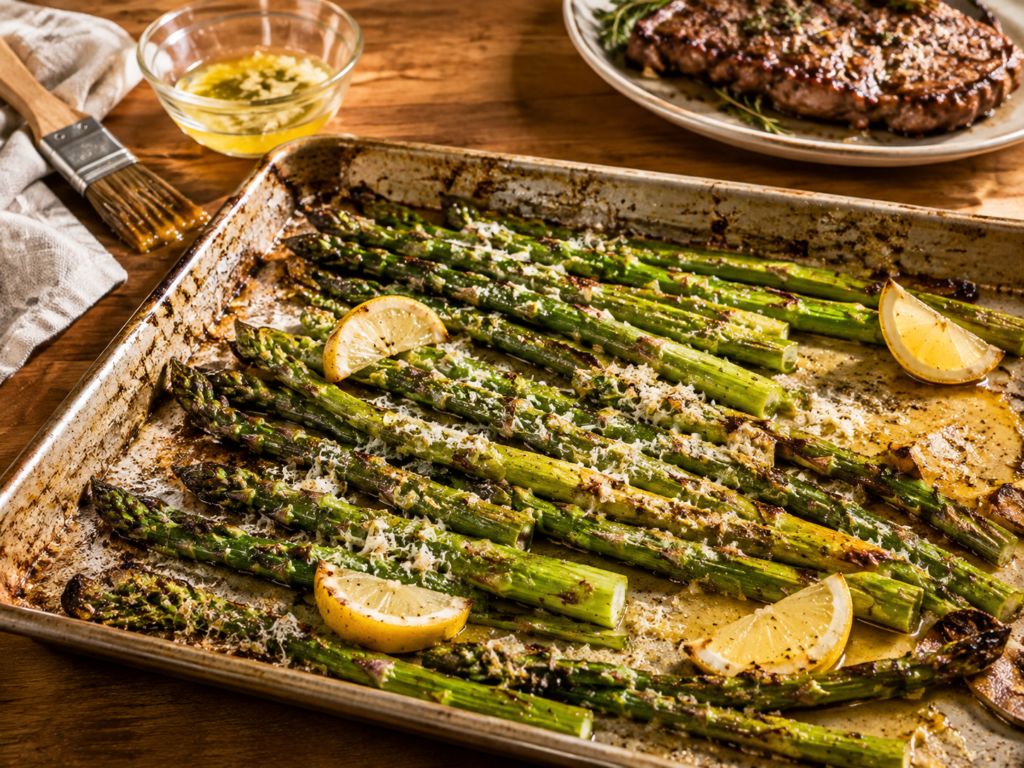
Stage 2: Roasting at 400°F. Spread the seasoned spears out in a single layer, making sure they aren’t overlapping or crowded together, which would trap steam and prevent proper browning. Roast at 400°F for about 10-12 minutes, depending on thickness, until the tips are lightly blistered and the stalks are tender-crisp.
Thicker spears will naturally need closer to the full 12 minutes, while thinner ones may be perfectly done at closer to 8-9 minutes, so keep a close eye during the final few minutes regardless of thickness. You’re looking for spears that bend slightly when lifted but still hold their shape, rather than flopping completely limp.
Stage 3: Tossing in Garlic Butter, Parmesan & Lemon. While your asparagus roasts, melt butter in a small pan and add minced garlic, cooking gently just until fragrant, about 30 seconds. The moment the roasted asparagus comes out of the oven, drizzle this warm garlic butter directly over the hot spears and toss gently to coat.
Sprinkle with freshly grated parmesan cheese, letting the residual heat melt it slightly into the buttery spears. Finish with a generous squeeze of fresh lemon juice right before serving, while everything is still warm, glossy, and at its absolute best.
What to Serve with Roasted Asparagus
Garlic butter roasted asparagus is the ultimate elegant yet effortless side dish! Because it cooks in just 15 minutes, it is the absolute perfect companion for almost any protein. Here are my favorite pairings to complete your dinner:
- The Ultimate Steakhouse Dinner: Asparagus and steak are a match made in culinary heaven. Serve these tender spears alongside our juicy, 15-minute Garlic Butter Steak Bites for a luxurious, restaurant-quality meal in record time.
- A Quick & Cozy Chicken Plate: Need a vibrant green side to balance out a rich, savory main course? This pairs beautifully with the sweet, sticky glaze of our Baked Honey Garlic Chicken Thighs.
- A Comforting Pasta Feast: Add a healthy, garlicky crunch to pasta night! Serve this bright veggie side right next to a bubbling dish of Easy Homemade Baked Ziti or our incredibly rich Creamy Tuscan Chicken.
- A Sweet Homemade Finish: After a perfectly balanced, wholesome dinner, treat yourself to a warm, bakery-style finish with a batch of our Chewy Chocolate Chip Cookies straight from the oven.
Pro Chef Tips & Troubleshooting
Even a well-tested batch of roasted asparagus can go wrong in a few predictable ways, so here’s how to catch and fix each one fast.
| Problem/Mistake | Why It Happens | How to Fix It |
|---|---|---|
| Mushy, limp spears | Oven temperature too low, or asparagus overcrowded on the pan | Roast at a full 400°F and spread spears in a single, uncrowded layer for proper browning |
| Burnt garlic flavor | Garlic added to the pan before roasting instead of after | Always add minced garlic to melted butter after roasting, never before it hits the oven |
| Tough, chewy ends | Woody base not properly removed before cooking | Always snap off the woody ends at their natural breaking point before roasting |
| Uneven cooking across the batch | Thin and thick spears roasted together for the same amount of time | Sort spears roughly by thickness, or check thinner ones a few minutes earlier |
| Dull, faded green color | Asparagus roasted too long, or oven temperature too low, extending cook time | Stick to high heat and pull spears the moment they’re tender-crisp, not fully soft |
| Bland flavor despite the butter | Under-seasoning before roasting | Season generously with coarse salt and pepper before the spears ever hit the oven |
A quick note on pan choice: a rimmed metal baking sheet, rather than a glass dish, genuinely conducts heat more efficiently and helps achieve that proper high-heat browning across every spear. Glass retains heat differently and can lead to slightly less consistent results when roasting at high temperatures.
Flavor Variations & Side Dish Pairings
This garlic butter asparagus base is wonderfully adaptable if you want to switch things up occasionally. Try adding red pepper flakes for gentle heat, swapping parmesan for crumbled feta and a drizzle of balsamic glaze, or tossing in toasted sliced almonds for extra crunch and texture.
A squeeze of orange or a scattering of toasted pine nuts also work beautifully if you want to steer the flavor profile in a slightly different direction. Fresh herbs like tarragon or dill can replace or join the lemon for an entirely different, brighter finish depending on what you’re serving alongside it.
For a pairing menu, roasted asparagus works beautifully alongside grilled or roasted chicken, a pan-seared steak, or baked salmon for a well-rounded, colorful dinner plate. It also makes a fantastic addition to a holiday spread, sitting comfortably next to mashed potatoes, stuffing, or a glazed ham without competing for attention.
For something lighter, pair it with a simple pasta dish or a grain bowl built around quinoa or farro, letting the bright, garlicky asparagus add both color and genuine flavor contrast. However you serve it, this dish is genuinely versatile enough to earn a permanent spot in your regular vegetable rotation, whether it’s a weeknight dinner or a special occasion spread.
Frequently Asked Questions (FAQ)
These are the questions people ask most often about making genuinely great roasted asparagus at home.
How do I know when roasted asparagus is done cooking?
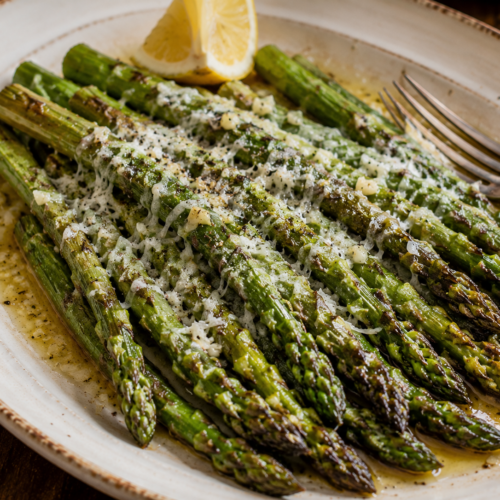
Properly cooked roasted asparagus should bend slightly when lifted with tongs but still hold its shape, with tips that look lightly blistered and slightly caramelized. If a spear flops completely limp, it’s overcooked; if it feels stiff and doesn’t bend at all, it likely needs another minute or two under the heat.
Do I need to peel asparagus before roasting?
No, peeling is completely unnecessary for standard or thin asparagus spears, since the skin roasts up tender along with the rest of the stalk. Very thick, mature spears occasionally benefit from light peeling near the base, but this is rarely needed for typical grocery store asparagus you’ll use for roasted asparagus.
How do I store and reheat leftover roasted asparagus so it stays crispy?
Store leftovers in an airtight container in the fridge for up to 3 days, then reheat in a hot oven or air fryer at 400°F for a few minutes to restore some crispness. Avoid the microwave if possible, since its uneven heat tends to turn already-cooked roasted asparagus mushy and limp almost instantly.
Can I use frozen asparagus for this recipe?
Fresh asparagus is strongly preferred for roasting, since frozen spears release considerably more moisture as they thaw and cook, working directly against the high-heat, low-moisture technique this recipe relies on. If frozen is genuinely all you have, pat it very dry first and expect a softer, less crisp final texture than true roasted asparagus made from fresh spears.
Why did my asparagus turn out mushy and stringy?
Mushy texture usually comes from overcooking or roasting at too low a temperature, while stringy texture almost always points to woody ends that weren’t properly removed before cooking. Stick to high heat, watch your cook time closely, and always snap off the tough base before your roasted asparagus goes anywhere near the oven.
you can check more recipes from here
Easy Garlic Butter Roasted Asparagus (15-Min Side!)
Ingredients
- 1 lb fresh asparagus spears woody ends snapped off
- 2 tbsp olive oil
- 3 tbsp unsalted butter
- 3 cloves garlic minced
- 1/4 cup freshly grated parmesan cheese
- 1 lemon juiced
- Coarse salt and black pepper to taste
Instructions
- Snap off the woody ends of each asparagus spear at its natural breaking point.
- Toss spears with olive oil, salt, and pepper on a rimmed baking sheet in a single layer.
- Roast at 400°F for 10-12 minutes until tips are blistered and stalks are tender-crisp.
- Melt butter with minced garlic in a small pan until fragrant.
- Drizzle warm garlic butter over the hot roasted asparagus and toss to coat.
- Sprinkle with parmesan cheese and a squeeze of fresh lemon juice.
- Serve immediately while warm and glossy.
Notes
- Choose thick spears for roasting so they don’t overcook as quickly as thin ones.
- Do not add minced garlic before roasting; add it to the butter afterward to avoid burning under high heat.
- Snap, don’t cut, the woody ends for a perfectly trimmed spear every time.
One Comment