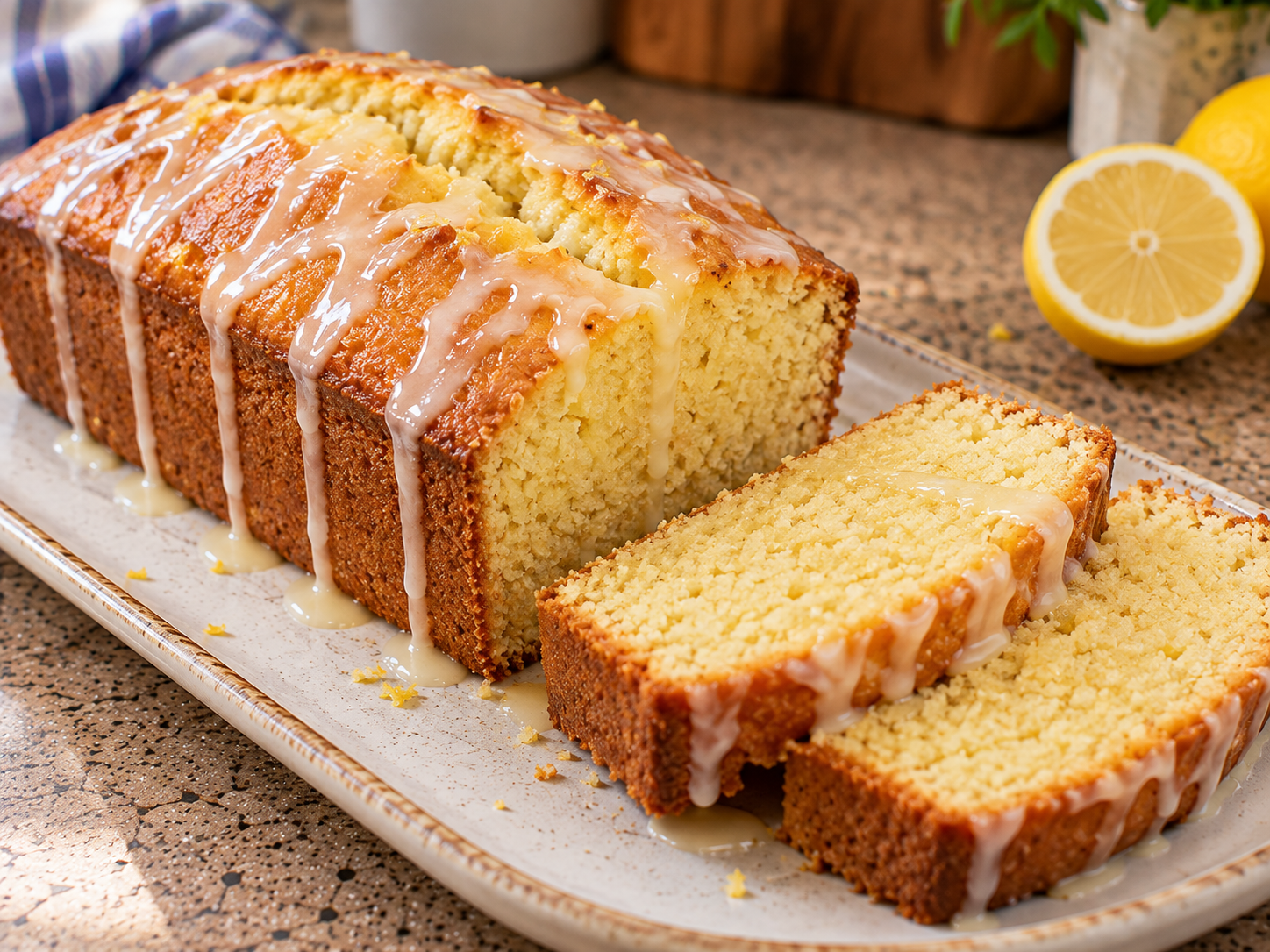
Lemon Loaf Recipe – Soft, Buttery Loaf with Fresh Lemon Glaze
This lemon loaf recipe makes one soft, buttery loaf flavored with fresh lemon zest and lemon juice, then finished with a simple lemon glaze. It bakes in a standard 9 × 5-inch pan and comes together with just a couple of mixing bowls.
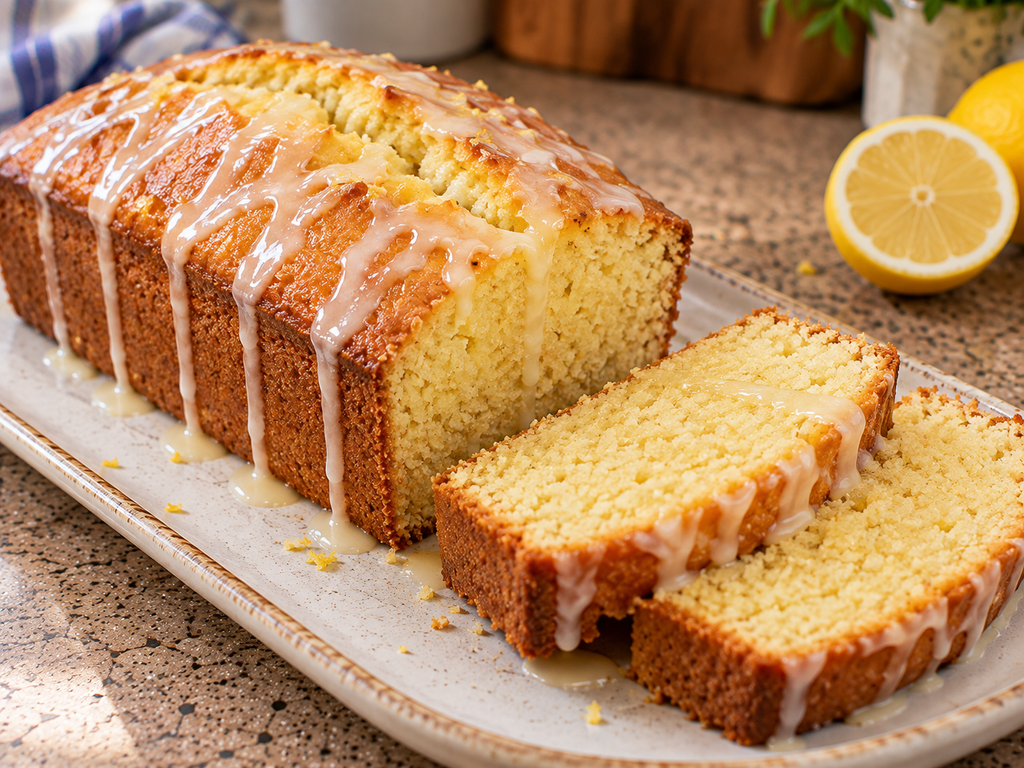
Lemon Loaf Recipe
Sour cream is the ingredient that sets this loaf apart from a plain butter cake. It adds moisture and a little tang, which keeps the crumb tender and makes the lemon flavor taste brighter. The zest goes in with the butter and sugar at the start, so the lemon flavor runs all the way through the loaf.
A few habits decide how it turns out: measuring the flour carefully, mixing only until the flour disappears, and letting the loaf cool completely before the glaze goes on. This guide covers each of them, along with how to tell when the loaf is done.
What Makes This Lemon Loaf Moist and Flavorful

Sour cream brings moisture and a mild tang. It keeps the loaf soft and helps balance the sweetness of the sugar and glaze.
Butter gives the loaf a rich, buttery flavor. Creaming it with the sugar and lemon zest builds a light base for the batter, and beating the zest into the butter and sugar spreads the lemon flavor evenly instead of leaving it in pockets.
Fresh lemon juice and zest do different jobs. The zest carries most of the lemon aroma, while the juice adds brightness and a gentle tartness.
Spooned and leveled flour protects the texture. Scooping flour straight from the bag packs extra into the cup, and extra flour is a common reason a loaf bakes up dry.
What You’ll Need
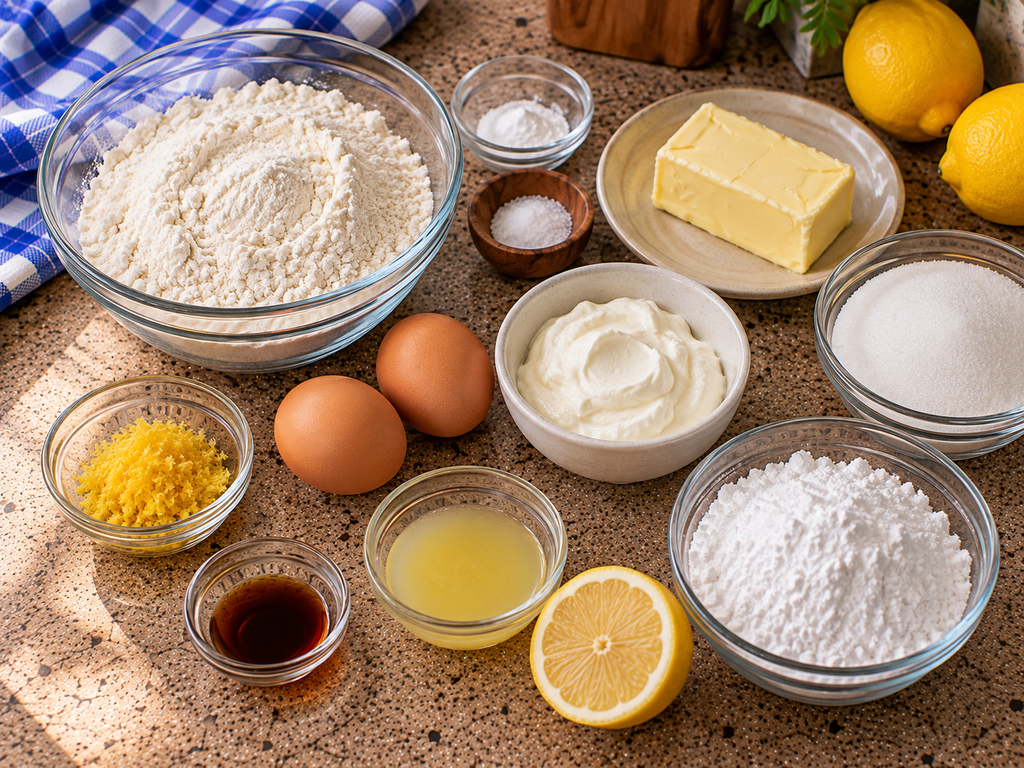
For the lemon loaf
- 1 1/2 cups all-purpose flour, spooned and leveled
- 1 teaspoon baking powder
- 1/4 teaspoon salt
- 1/2 cup unsalted butter, softened
- 3/4 cup granulated sugar
- 2 large eggs, at room temperature
- 1/2 cup sour cream, at room temperature
- 2 tablespoons fresh lemon juice
- 1 tablespoon finely grated lemon zest
- 1 teaspoon vanilla extract
For the lemon glaze
- 1 cup powdered sugar
- 1 1/2 to 2 tablespoons fresh lemon juice
Equipment: 9 × 5-inch loaf pan, parchment paper, mixing bowls, wire rack, sharp knife.
A few notes on preparation and substitutions:
- Lemons: About 2 lemons should cover the zest and all of the juice, for the loaf and the glaze together. Zest them first, since a whole lemon is much easier to grate than a squeezed one.
- Room temperature: Softened butter and room-temperature eggs and sour cream blend together smoothly. Cold eggs or sour cream can make the batter look uneven.
- Sour cream: Use full-fat sour cream for the best texture. If you don’t have any, thick plain Greek yogurt is a common substitute.
How to Make Lemon Loaf
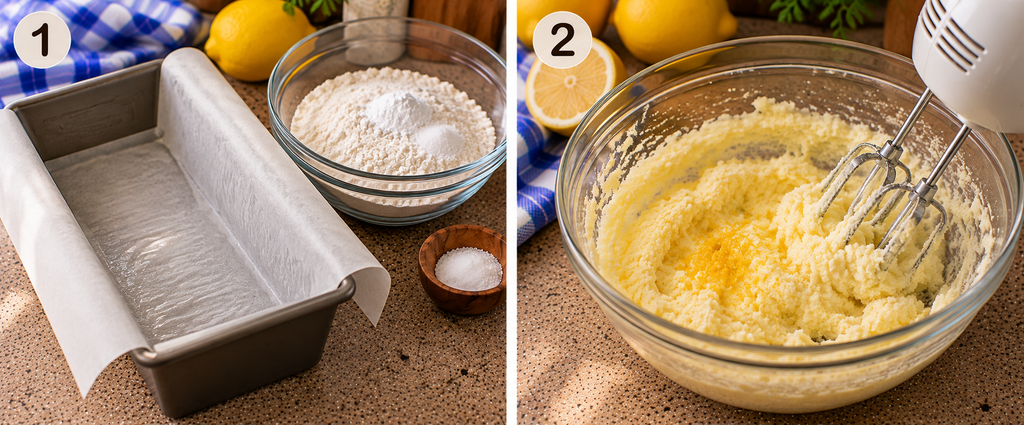
Step 1: Prepare the Pan and Dry Ingredients
Preheat the oven to 350°F. Grease a 9 × 5-inch loaf pan and line it with parchment paper, leaving an overhang for easy removal. Whisk together the flour, baking powder, and salt in a medium bowl.
Step 2: Cream the Butter, Sugar, and Lemon Zest
In a large bowl, beat the softened butter, granulated sugar, and lemon zest until light and creamy, about 2 to 3 minutes.
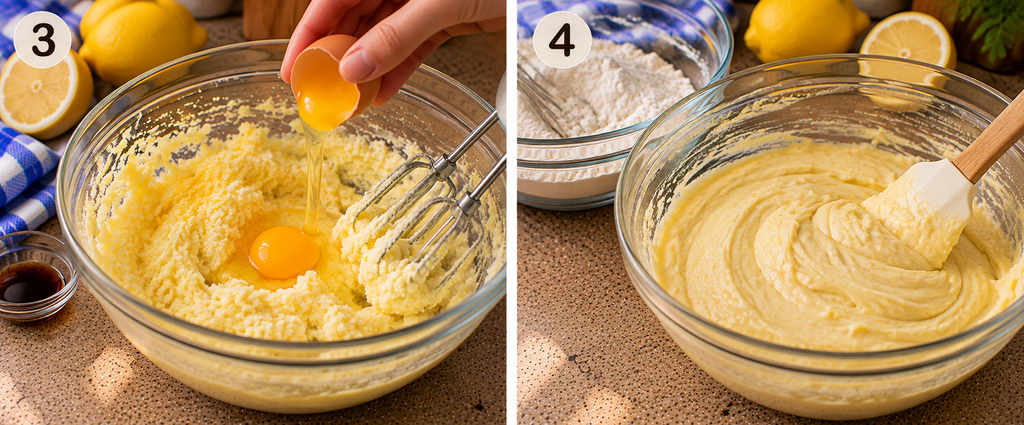
Step 3: Add the Eggs and Vanilla
Add the eggs one at a time, beating after each addition. Mix in the vanilla extract until combined.
Step 4: Combine the Wet and Dry Ingredients
Mix in the sour cream and fresh lemon juice. Add the dry ingredients and mix on low speed just until no dry flour remains. Avoid overmixing. The batter may look slightly uneven after the sour cream and lemon juice go in, which is normal. Stop mixing as soon as the dry flour disappears, because working the batter longer develops the gluten in the flour and makes the loaf tougher.
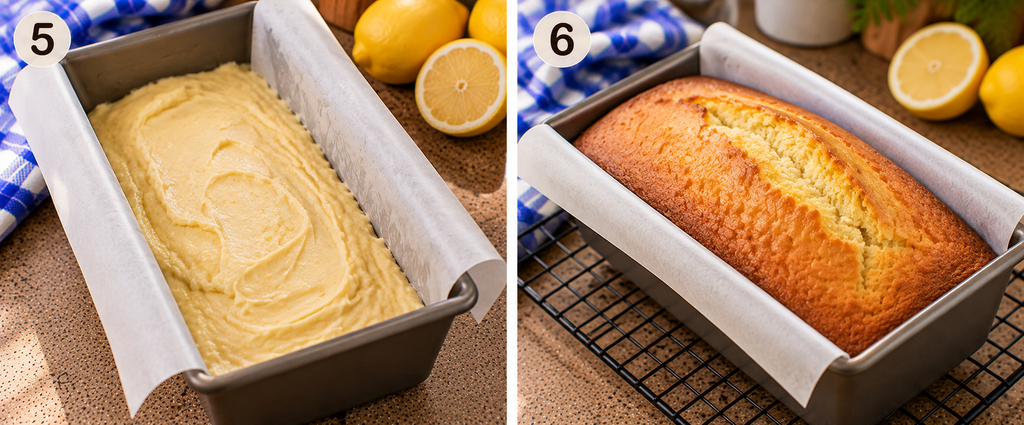
Step 5: Fill the Pan and Bake
Spread the batter evenly in the prepared loaf pan. Bake at 350°F for 50 to 60 minutes, until the top is golden and a toothpick inserted into the center comes out clean or with a few moist crumbs. Ovens vary, so start checking toward the early end of the range. A toothpick with a few moist crumbs is fine, while wet batter on it means the loaf needs more time.
Step 6: Cool the Loaf
Let the loaf cool in the pan for 15 minutes. Use the parchment overhang to lift it out, then transfer it to a wire rack and cool completely before glazing. A warm loaf melts the glaze and lets it run off or soak in instead of setting on top, so wait until the loaf feels cool to the touch.
Step 7: Make the Lemon Glaze
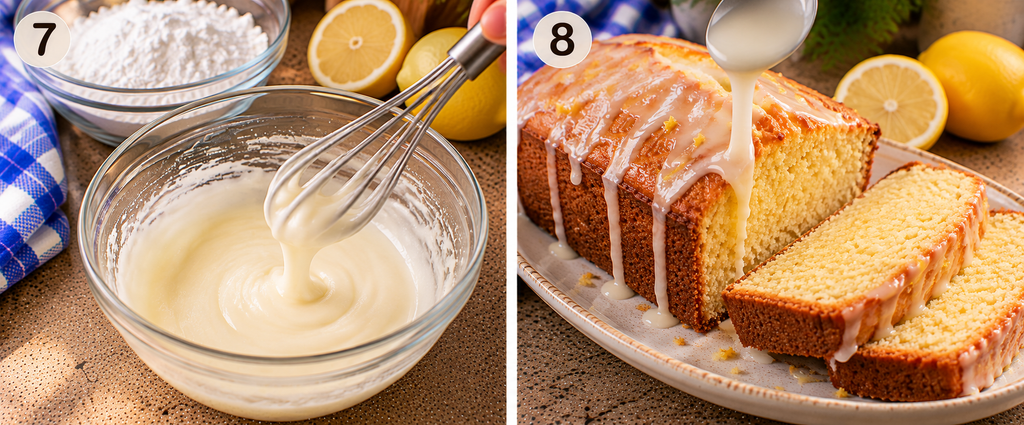
Whisk the powdered sugar with 1 1/2 tablespoons lemon juice. Add a little more lemon juice, up to 2 tablespoons total, as needed to make a thick but pourable glaze. The glaze should be thick enough to cling to the loaf and loose enough to drizzle, so add the extra juice a little at a time.
Step 8: Glaze, Set, and Slice
Drizzle the glaze over the completely cooled loaf. Let the glaze set for about 10 minutes before slicing with a sharp knife. The glaze firms up as it sets, which helps it hold in place when you cut.
Serving Ideas
Serve slices with coffee or tea, or with a handful of fresh berries on the side. The loaf tastes best at room temperature, when the crumb is at its softest.
Storing and Freezing
Store the glazed loaf covered at room temperature for up to 2 days, or refrigerate it for up to 5 days. For the best texture, bring refrigerated slices toward room temperature before serving.
The unglazed, fully cooled loaf may be frozen tightly wrapped for up to 3 months. Thaw it before glazing.
Frequently Asked Questions

Why is my lemon loaf dry or dense?
The usual causes are too much flour, overmixing, or baking too long. Spoon and level the flour, stop mixing as soon as the dry flour disappears, and start checking the loaf toward the early end of the 50 to 60 minute range with a toothpick.
Why did my glaze melt or run off?
Most often the loaf was still warm when the glaze went on, which Step 6 explains. Let it cool completely on the wire rack first. If the glaze itself is too thin, you may have added too much lemon juice at once, so add it a little at a time, up to 2 tablespoons total.
Can I use bottled lemon juice?
This recipe is written with fresh lemon juice. Fresh juice tastes brighter, and you’ll need real lemons for the zest anyway, so squeezing the same lemons takes little extra effort.
you can check more recipes from here

Lemon Loaf Recipe – Soft, Buttery Loaf with Fresh Lemon Glaze
Ingredients
For the Lemon Loaf
- 1 1/2 cups all-purpose flour spooned and leveled
- 1 teaspoon baking powder
- 1/4 teaspoon salt
- 1/2 cup unsalted butter softened
- 3/4 cup granulated sugar
- 2 large eggs at room temperature
- 1/2 cup sour cream at room temperature
- 2 tablespoons fresh lemon juice
- 1 tablespoon finely grated lemon zest
- 1 teaspoon vanilla extract
For the Lemon Glaze
- 1 cup powdered sugar
- 1 1/2 –2 tablespoons fresh lemon juice
Instructions
- Preheat the oven to 350°F. Grease a 9 × 5-inch loaf pan and line it with parchment paper, leaving an overhang. Whisk together the flour, baking powder, and salt in a medium bowl.
- Beat the softened butter, granulated sugar, and lemon zest in a large bowl for 2–3 minutes, until light and creamy.
- Add the eggs one at a time, beating after each addition. Mix in the vanilla extract.
- Mix in the sour cream and 2 tablespoons lemon juice. Add the dry ingredients and mix on low speed just until no dry flour remains. Avoid overmixing.
- Spread the batter evenly in the prepared loaf pan. Bake at 350°F for 50–60 minutes, until the top is golden and a toothpick inserted into the center comes out clean or with a few moist crumbs.
- Let the loaf cool in the pan for 15 minutes. Lift it out using the parchment overhang and transfer it to a wire rack to cool completely.
- Whisk the powdered sugar with 1 1/2 tablespoons lemon juice. Add a little more juice, up to 2 tablespoons total, until the glaze is thick but pourable.
- Drizzle the glaze over the completely cooled loaf, allowing some to run naturally down the sides.
- Let the glaze set for about 10 minutes before slicing the loaf with a sharp knife.
- Slice and serve. Enjoy with coffee, tea, or fresh berries.
Notes
- Measure the flour carefully: Spoon it into the measuring cup and level the top instead of packing it down.
- Use softened butter: Butter that is soft but not melted creams more effectively with the sugar.
- Avoid overmixing: Mix the flour in only until combined to help keep the loaf tender.
- Check doneness: Begin checking around 50 minutes because oven temperatures and loaf pans can vary.
- Storage: Keep the glazed loaf covered at room temperature for up to 2 days or refrigerate for up to 5 days.
- Freezing: Freeze the completely cooled, unglazed loaf tightly wrapped for up to 3 months. Thaw before glazing.
- Nutrition: Calories are estimates and depend on ingredient brands and slice size.